

MBU Associate Professor Talks about Foster Care
The president proclaimed May 2017 to be National Foster Care Month. In light of this announcement, here is a brief story about a MBU associate professor and his wife who are actively involved in foster care.
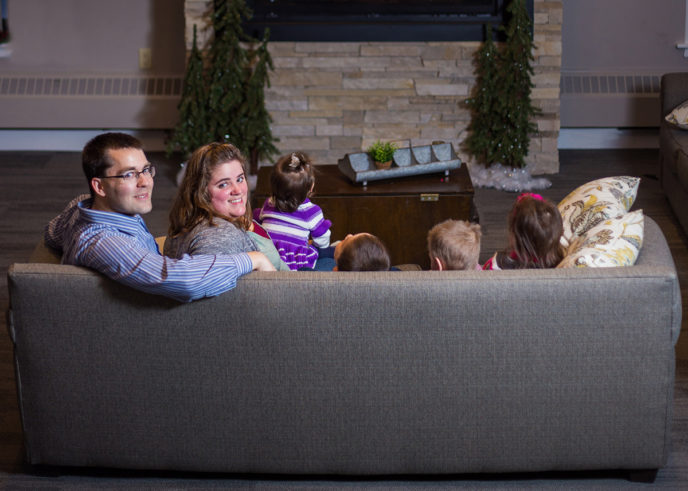
Life is an adventure at the Mielke home—a crazy, joyful adventure that Tim Mielke and his wife, Nancy, take in stride.
“With four toddlers in tow, we get a lot of looks,” claims Nancy. “I was out with the two boys, and someone told me my hands were full. I looked at her and said, ‘This is only half of my kids, and he is the oldest,’ (pointing to our three and a half year old). She looked at me and walked away.”
Tim and Nancy embrace their calling as foster parents and look forward to the day when the three little ones now staying in their home are granted permanent residence as the adopted younger sisters and big brother of their biological child, two-year-old Noah.
The Journey to Foster Care
Long before the Mielkes’ journey toward foster care and adoption ever began, a little girl was rescued from a difficult situation, placed in foster care in a Christian home, and, four years later, was adopted into a loving family. That little girl was Nancy.
“I was two years old when I was removed from my biological family,” Nancy shares. “I’ve been told by my adoptive mom that I would watch her put the groceries away. I had already learned to feed my one-year-old brother when my parents would not.”
Nancy’s experience prompted within her a strong desire to help children, which influenced the Mielkes’ decision to pursue foster care and adoption.
Over the last five years, the Mielkes have welcomed sixteen children into their home. Most children stay for an extended period of time—up to six months or more—but some have come for a weeklong or weekend respite.
The children sense a difference in the Mielke home almost immediately.
“We’re a light in the darkness,” Tim notes. “We’ve had children ask us ‘When are you going to beat us?’ Then they see how we live, talk, and act, and it’s like culture shock for them. We go to church together, and they see more people who act the same way. Small kindnesses are new to them, and they become intrigued.”
The Mielkes’ greatest burden is to plant gospel seeds in the children’s hearts. Nancy boldly states, “We pray that the children get saved. If they do not, we pray that they always remember God loves them.”
The Challenges of Foster Care
Beyond caring for the children, the Mielkes cultivate open and working relationships with the biological parents, a proven practice that yields a greater interest in the parents’ doing what is necessary to get the family back together. And they use the monthly meetings with other foster parents as a chance to encourage those who, like them, juggle life with school schedules, parent visits, therapy appointments, and court appearances.
“There are days when I’m simply surviving,” Nancy admits.
Often there are setbacks in behavior and development. The children are torn between the safe haven of the foster home and allegiance to their biological parents. They feel rejected, and they act out to get attention or to protect themselves from further anguish.
“We notice a big difference in the children’s behavior before and after visits with their biological parents—even at the age of one or two,” reports Tim. “We’ve had older kids break things or trash a bedroom out of anger. They’ve run away or yelled profanity out of the windows. We know the local police pretty well.”
Tim and Nancy rely on the tangible support and prayers of friends and family—including their church family. Babysitters, meals, and a person to talk to all provide relief, but Nancy believes prayers come first—specifically for wisdom with the children and their parents.
The Mindset of Foster Care
Nancy urges people to think of these children as “our children” and to understand that they need as much (if not more) love, care, and support as anyone else. In tough times, the Mielkes focus on the breakthroughs. “Several children have made professions of faith,” Tim shares. “We’ve maintained good relationships with the biological parents. Most of them still talk to us, and we’ve kept in touch on Facebook.”
For those who are interested in this unique ministry opportunity, Tim suggests talking with Christian families who participate in foster care to gain a perspective on the positives and negatives. Then contact your county’s foster care coordinator to learn more about the application and training process, the home study, and the next steps.
“In a perfect world there would be no foster care,” observes Tim. “But in a situation where the government assists families anyway, I would rather that assistance come through someone who knows the Lord.”
Some people fear saying goodbye to the children.
“It’s tough,” shares Tim. “There’s no easy way to let them go. But once you wrestle through those things and accept that you can do this for God’s glory, knowing that the time you have with them might be temporary, you can minister in a powerful way.”
He adds, “The county is always looking for beds. They need you.”
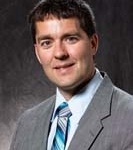 Tim Mielke joined the Department of Humanities faculty at Maranatha Baptist University in the spring of 2009. He is pursuing an MFA in Photography from the Academy of Art University, CA, while teaching in the MBU Communications Arts program. Mr. Mielke attends Calvary Baptist Church in Watertown, WI, where he is the head of the Visual Presentation Ministry. Tim and his wife Nancy have been foster parents in Jefferson County since September 2011.